A burst pipe can release hundreds of gallons before anyone notices. Whether the cause is a hard freeze, old galvanized piping, or a sudden pressure spike, crews respond around the clock to stop the spread and start drying a Denver home.

A crew is typically on-site within about an hour to confirm the main water is off and trace how far the water has traveled through the structure.
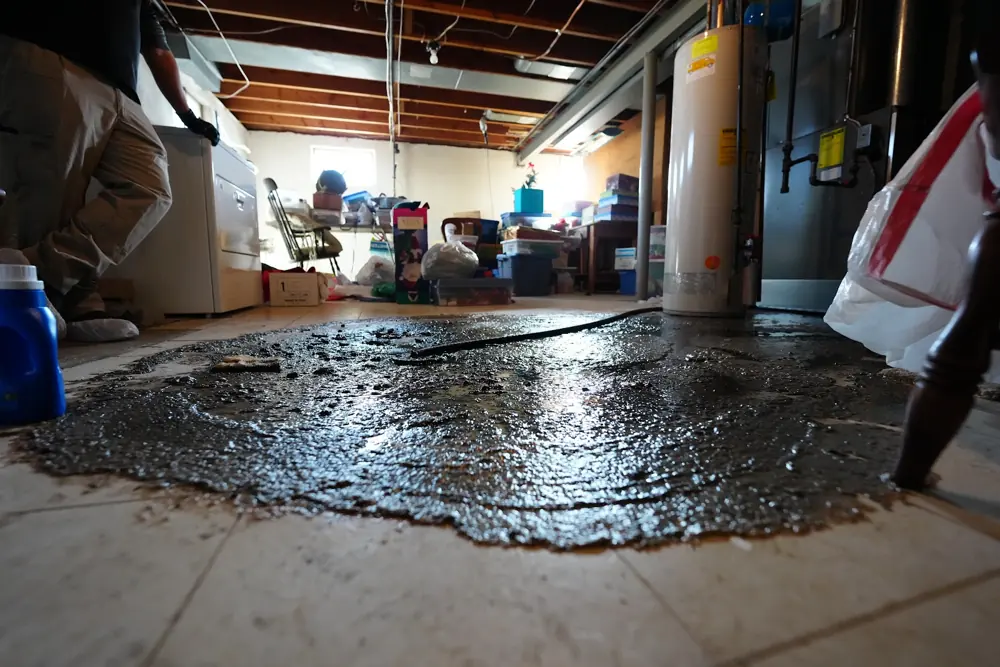
Standing water is pulled from every affected level using truck-mounted and portable extraction equipment, prioritizing rooms with the most saturation.
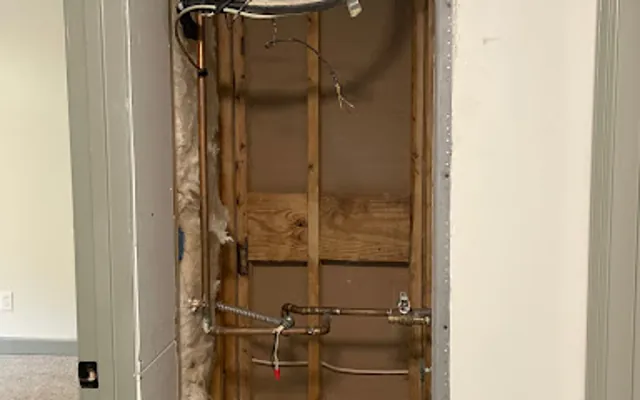
Wet drywall and insulation along the water's path are opened up so hidden cavities can dry instead of trapping moisture behind the surface.
Dehumidifiers and air movers run until moisture meters confirm framing and subfloor are fully dry, with every reading logged for the insurance claim.

While help is on the way, these first steps, done only where it is safe, limit the damage and protect the insurance claim.
Shut the supply off at the source, or close the home's main valve if the source is not obvious. Stopping the flow limits the damage more than anything else.
Switch off electricity to the affected area, but only if the breaker can be reached without standing in or touching the water.
Get a crew dispatched right away. The sooner extraction and drying begin, the more flooring, drywall, and belongings can be saved.
Take photos and a short video of the water and the affected rooms before anything is moved, so the insurance claim starts strong.
Burst pipe cleanup in Denver typically runs from about $1,500 to $7,500, depending on how long the water ran before the main was shut off, how many rooms or levels were affected, and how much drywall or flooring needs to come out. A break caught within minutes in an accessible spot sits toward the low end; a line that runs for hours through multiple floors sits toward the high end. Sudden, accidental water damage from a burst pipe is commonly a covered loss, separate from the qualified plumber's cost to repair the line, and moisture documentation is provided to support the claim.
Crews reach Denver and the nearby metro fast, from Capitol Hill, Five Points, and Highland to Wheat Ridge, Lakewood, Englewood, and Arvada. See the full list on the areas served across Denver page.
See all areas servedEvery loss is photographed, measured, and logged from the first visit, so the paperwork holds up with the insurance carrier.
Technicians follow recognized IICRC drying standards and prove it with daily moisture readings on Denver homes, not guesswork.
Emergency dispatch any hour of the day or night, with a real crew on the way across the metro, not a callback in the morning.
A real crew dispatched any hour, not a callback in the morning.
Trained technicians following recognized IICRC drying standards.
Truck-mounted, portable, and submersible for any size loss.
The loss is documented and billed to the carrier directly.
Aging galvanized or copper piping, sudden pressure spikes, and hard winter freezes are the most common causes, with older homes carrying original piping at higher risk.
It depends entirely on how long water runs before the main is shut off. A break discovered within minutes causes far less damage than one that runs for hours overnight or while a family is away.
Yes, whenever it can be done safely. Shutting off the main stops additional water from entering the structure while extraction and drying are arranged.
Sudden, accidental water damage from a burst pipe is commonly covered. The repair of the pipe itself is typically a separate cost handled by a qualified plumber.
Extraction usually takes a few hours, and structural drying typically runs three to six days depending on how many levels and cavities were affected.
Denver crews are on call 24 hours a day, local and fast, and can be on the way within the hour.
Call (720) 807-8315