Open 24 / 7 / 365 Denver City & County On site within the hour across the metro Work follows IICRC standards 24/7 dispatch: (720) 807-8315
MH Mile High Restorationof Denver
Home › Septic Tank Backup
24/7 Emergency Service

Septic Tank Backup Cleanup in Denver, CO

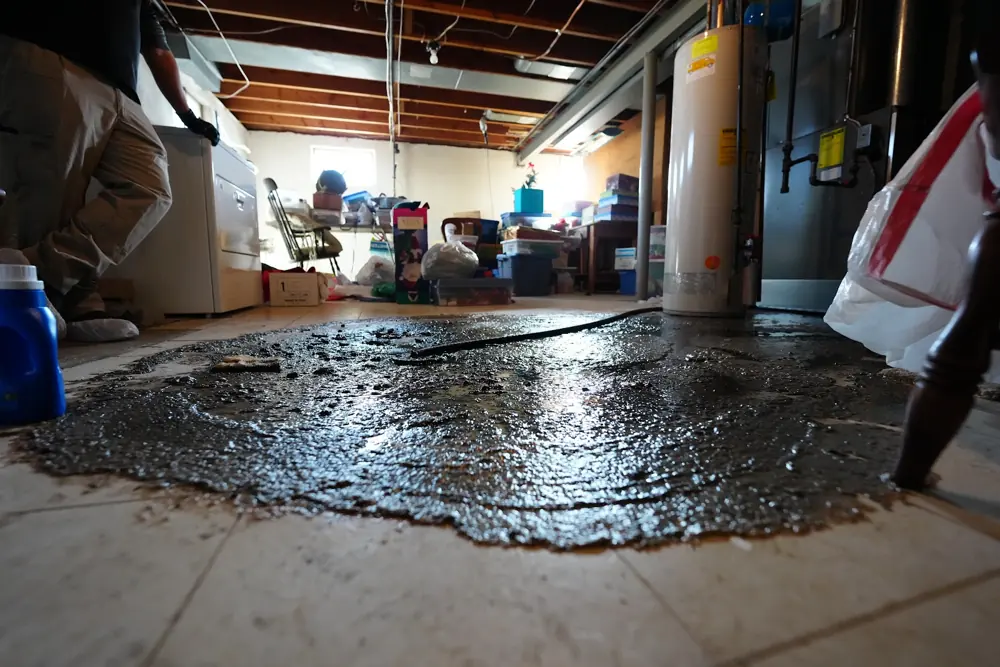
Most of Denver proper runs on city sewer, but properties on the metro's outer edges and in unincorporated pockets still rely on a septic system, and a full tank or a failed leach field can send contaminated water back into the house. Crews respond 24/7 to extract it, disinfect, and dry the space.

IICRC-Standard Methods 24/7 Emergency Dispatch ~60 Min Response
Septic Tank Backup in a Denver home
Response
~60 minutes
Availability
24 / 7 / 365
Water categories
1, 2 & 3
Insurance
Billed direct
How it's done

How Septic Backup Cleanup Works

1

24/7 Dispatch and Safety Assessment

A crew arrives in about an hour, confirms the source is a septic backup rather than the city line, and sets containment before entering.

2

Extract Contaminated Water

Standing water is pumped and extracted with full protective equipment, since septic backup is category 3.

3

Remove and Discard Contaminated Materials

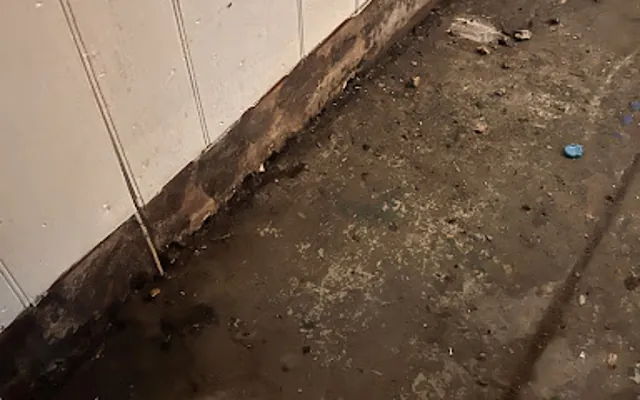
Porous materials the backup reached, including flooring, baseboards, and lower drywall, are removed rather than cleaned.

4

Disinfect, Dry, and Verify

Affected surfaces are cleaned and treated, then dried to a moisture-verified target with every step documented for the claim.

What you get

What Septic Backup Cleanup Includes

  • 24/7 emergency dispatch with about a one-hour arrival across the Denver metro
  • Category 3 extraction with full protective handling
  • Removal and disposal of contaminated porous materials
  • Disinfection, moisture-verified drying, and claim documentation
Restoration equipment on a Denver job
Before the crew arrives

What to do right now

While help is on the way, these first steps, done only where it is safe, limit the damage and protect the insurance claim.

1

Stop the water

Shut the supply off at the source, or close the home's main valve if the source is not obvious. Stopping the flow limits the damage more than anything else.

2

Cut the power

Switch off electricity to the affected area, but only if the breaker can be reached without standing in or touching the water.

3

Call for help

Get a crew dispatched right away. The sooner extraction and drying begin, the more flooring, drywall, and belongings can be saved.

4

Document the loss

Take photos and a short video of the water and the affected rooms before anything is moved, so the insurance claim starts strong.

Cost

What does septic tank backup cleanup cost in Denver?

Septic tank backup cleanup typically runs from about $1,000 to $4,500, depending on how much of the home the backup reached and how much contaminated material has to be removed and discarded. A backup contained to a utility area sits on the low end, while one that spread across a finished basement sits on the high end, and any needed septic system repair or pumping is a separate cost outside the cleanup itself. Sudden septic backups are often covered under a homeowner policy, sometimes with a sewer or septic backup endorsement, and the loss is documented for the carrier.

Get a straight answer: (720) 807-8315

Coverage area

Septic Tank Backup across the Denver metro

Crews reach Denver and the nearby metro fast, from Capitol Hill, Five Points, and Highland to Wheat Ridge, Lakewood, Englewood, and Arvada. See the full list on the areas served across Denver page.

See all areas served
Why it holds up

How the work holds up

Documented for the claim

Every loss is photographed, measured, and logged from the first visit, so the paperwork holds up with the insurance carrier.

IICRC-standard drying

Technicians follow recognized IICRC drying standards and prove it with daily moisture readings on Denver homes, not guesswork.

Answered 24/7

Emergency dispatch any hour of the day or night, with a real crew on the way across the metro, not a callback in the morning.

Work follows IICRC standards 24/7 emergency dispatch Insurance documented & billed direct Moisture-verified drying
Why it matters

Fast, local, and dried to a verified standard

On call 24/7

A real crew dispatched any hour, not a callback in the morning.

IICRC-standard methods

Trained technicians following recognized IICRC drying standards.

The right equipment

Truck-mounted, portable, and submersible for any size loss.

Insurance handled

The loss is documented and billed to the carrier directly.

Good questions

Septic Tank Backup, answered

No. The great majority of Denver proper is on city sewer. Septic systems are mainly found on properties toward the metro's outer edges and in some unincorporated county areas.

It is category 3, the most contaminated water classification, since it can carry sewage and pathogens. It requires full protective equipment, removal of porous materials it touched, and thorough disinfection.

Generally no for porous materials like carpet, pad, and drywall. Once septic water soaks in, those materials typically have to be removed rather than cleaned and dried.

It depends on the policy. Many homeowner policies exclude backups unless a sewer or septic backup endorsement was added, so coverage varies and the loss is documented to support whichever applies.

No. Cleanup and drying of the affected structure is the focus. Diagnosing and repairing the tank, line, or leach field itself calls for a qualified septic service, and the homeowner is pointed toward that separately.

Related services

What often comes next

Septic Backup in Your Home? Call Now for Cleanup

Denver crews are on call 24 hours a day, local and fast, and can be on the way within the hour.

Call (720) 807-8315
Call (720) 807-8315