Denver's hard winter freezes and sharp freeze-thaw swings are a leading cause of burst pipes across the metro. When a frozen line splits and thaws, water can flood a room in minutes, and crews respond around the clock to extract and dry.

A crew is typically on-site within about an hour to confirm the main water is shut off and assess how far the burst line has spread water through the structure.
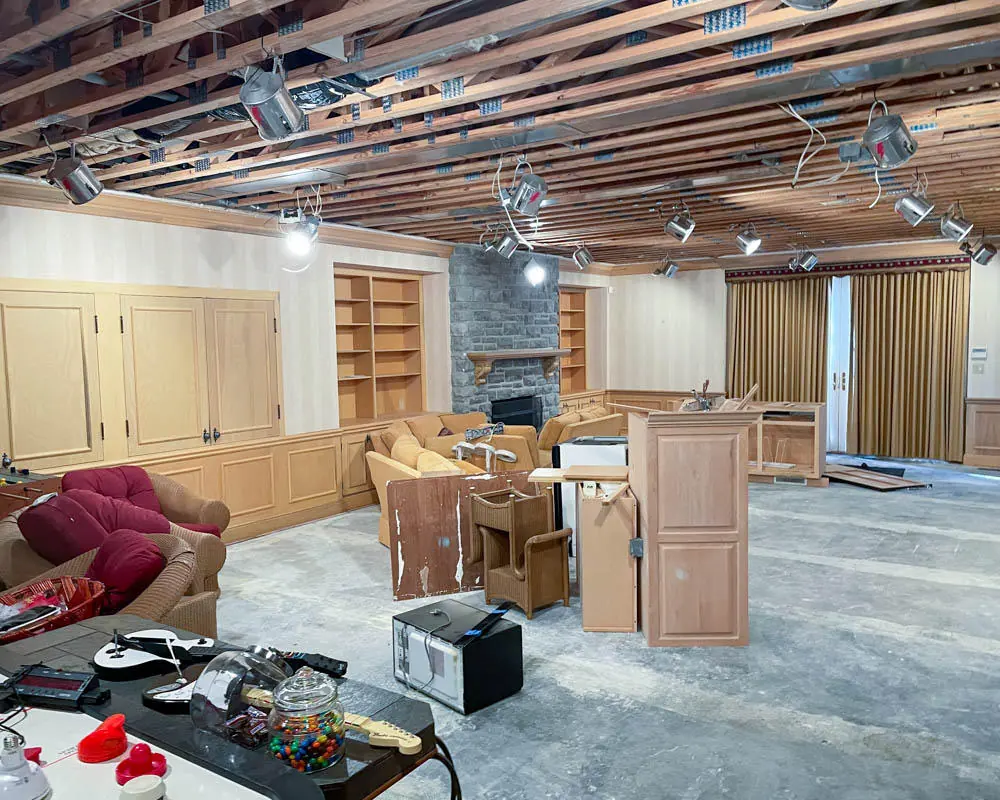
Standing water is pulled from flooring, basements, and any ceiling cavity where the break occurred, using truck-mounted and portable extraction equipment.
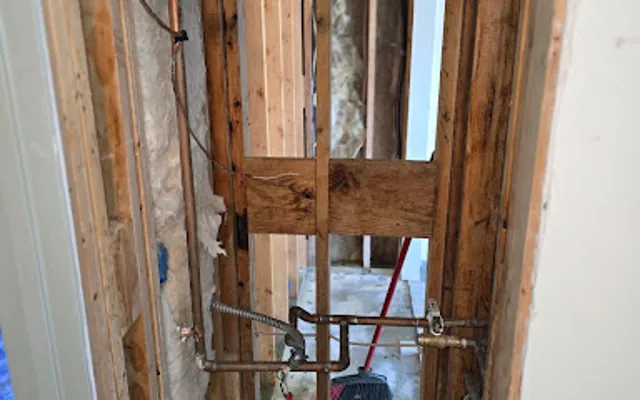
Wet drywall and insulation along the pipe's path are opened up so trapped water and ice-damaged cavities can dry completely instead of sitting hidden.
Dehumidifiers and air movers run until moisture meters confirm framing and subfloor are dry, with photos and readings logged for the insurance claim.

While help is on the way, these first steps, done only where it is safe, limit the damage and protect the insurance claim.
Shut the supply off at the source, or close the home's main valve if the source is not obvious. Stopping the flow limits the damage more than anything else.
Switch off electricity to the affected area, but only if the breaker can be reached without standing in or touching the water.
Get a crew dispatched right away. The sooner extraction and drying begin, the more flooring, drywall, and belongings can be saved.
Take photos and a short video of the water and the affected rooms before anything is moved, so the insurance claim starts strong.
Frozen pipe cleanup in Denver typically runs from about $1,500 to $7,000, depending on where the break occurred, how long water ran before it was found, and how much drywall, insulation, or flooring has to come out. A quickly caught break in an accessible wall sits toward the low end; a line that bursts overnight above a finished basement ceiling and runs for hours sits toward the high end. Sudden, accidental water damage from a burst pipe is commonly a covered loss, separate from the qualified plumber's cost to repair the line itself, and moisture documentation is provided to support the claim.
Crews reach Denver and the nearby metro fast, from Capitol Hill, Five Points, and Highland to Wheat Ridge, Lakewood, Englewood, and Arvada. See the full list on the areas served across Denver page.
See all areas servedEvery loss is photographed, measured, and logged from the first visit, so the paperwork holds up with the insurance carrier.
Technicians follow recognized IICRC drying standards and prove it with daily moisture readings on Denver homes, not guesswork.
Emergency dispatch any hour of the day or night, with a real crew on the way across the metro, not a callback in the morning.
A real crew dispatched any hour, not a callback in the morning.
Trained technicians following recognized IICRC drying standards.
Truck-mounted, portable, and submersible for any size loss.
The loss is documented and billed to the carrier directly.
Sharp overnight temperature drops combined with pipes running through uninsulated crawlspaces, exterior walls, or unheated garages leave supply lines exposed to hard freezes, and the freeze-thaw cycle that follows a cold snap is what actually cracks the pipe.
Signs include a sudden drop in water pressure, unexplained damp spots on walls or ceilings, or a sound of running water when nothing is turned on. If a break is suspected, shutting off the main water valve and calling right away limits the damage.
Yes, if it can be done safely. Shutting off the main valve stops additional water from entering the structure while extraction and drying are arranged.
Sudden, accidental water damage from a burst pipe is commonly covered. Freeze damage caused by leaving a home unheated for an extended period can raise coverage questions, so documentation is provided to support whatever the policy allows.
Keeping cabinet doors open under exposed sinks, insulating crawlspace and exterior-wall piping, and maintaining heat during hard cold snaps all help, though a qualified plumber is the right resource for a full prevention plan.
Denver crews are on call 24 hours a day, local and fast, and can be on the way within the hour.
Call (720) 807-8315