For Capitol Hill, CO, crews respond fast to HVAC condensation water damage, using IICRC-standard methods to stop leaks, dry out spaces, and prevent mold in the area's historic homes and apartments.

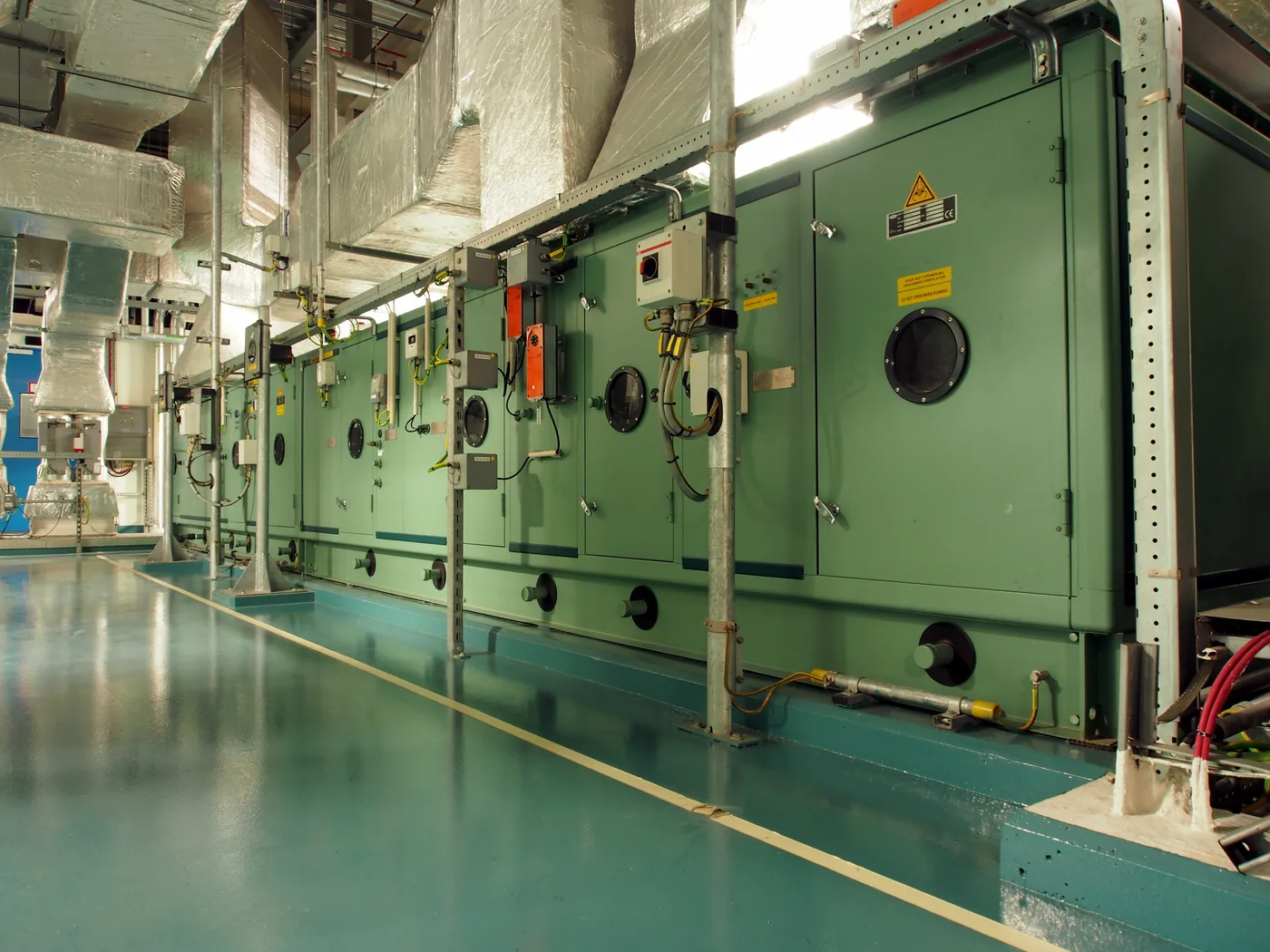
Technicians first identify if the leak is from a condensate line or overflow pan in the mechanical closet. They ensure the HVAC system is shut down or the line is cleared to stop the flow in the Capitol Hill home.
The crew uses extractors to remove water pooled on floors, in closets, or collected on ceilings below the unit. Quick removal prevents it from spreading further into the historic building materials common here.
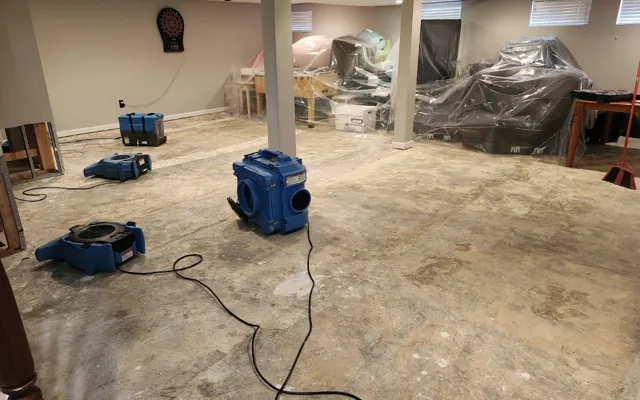
Air movers and dehumidifiers are placed to dry affected drywall, insulation, and framing. Technicians document moisture levels until they meet a verified target, creating a record useful for any insurance claim in CO.

HVAC condensation damage cleanup in Capitol Hill typically runs from about $400 to $2,000, depending on how long the drain line was clogged before discovery and how far the water traveled through the ceiling or wall cavity. A leak caught within a day or two, limited to a small ceiling stain, sits on the low end, while weeks of slow leaking that soaked insulation and drywall across a closet and the room below sits on the high end. This kind of sudden, accidental water damage is commonly covered, though ongoing maintenance neglect may not be, so the loss is documented carefully.
In Capitol Hill's century-old brick homes and apartment buildings, aging HVAC systems with original galvanized lines are common. A clogged condensate drain can quickly overflow, sending water into mechanical closets, down interior walls, and onto ceilings below, requiring prompt cleanup to protect the structure. In Capitol Hill, CO, the dry, high-altitude climate means HVAC systems run often, increasing condensate volume. In older buildings, flat roofs and original galvanized plumbing can complicate drainage, making clogs and overflows a frequent cause of water damage calls. From Capitol Hill, crews also cover nearby Five Points, Cheesman Park, City Park West, Curtis Park, Speer, Congress Park. See every neighborhood and town on the full service area page.
See all areas servedEvery loss is photographed, measured, and logged from the first visit, so the paperwork holds up with the insurance carrier.
Technicians follow recognized IICRC drying standards and prove it with daily moisture readings on Capitol Hill homes, not guesswork.
Emergency dispatch any hour of the day or night, with a real crew on the way across the metro, not a callback in the morning.
A real crew dispatched any hour, not a callback in the morning.
Trained technicians following recognized IICRC drying standards.
Truck-mounted, portable, and submersible for any size loss.
The loss is documented and billed to the carrier directly.
In Capitol Hill, this type of sudden, accidental water damage is commonly covered. However, coverage may be affected by ongoing maintenance neglect. Local crews carefully document the loss and source, which helps support a typical homeowner's insurance claim in Colorado.
For a leak caught early in a Capitol Hill courtyard building, drying often takes two to three days. If water has spread through older wall cavities or insulation, it may take longer. Technicians monitor progress daily until moisture meets the target standard.
Crews are on call 24 hours a day and can be on the way to Capitol Hill within the hour.
Call (720) 807-8315