When a burst pipe or leak floods a Capitol Hill crawlspace, local crews respond fast. They follow IICRC-standard methods to extract water and protect the structure from mold and rot in these historic homes.

A crew reaches Capitol Hill addresses within minutes of dispatch. They quickly assess the crawlspace access and the extent of standing water or dampness to formulate a targeted removal plan.
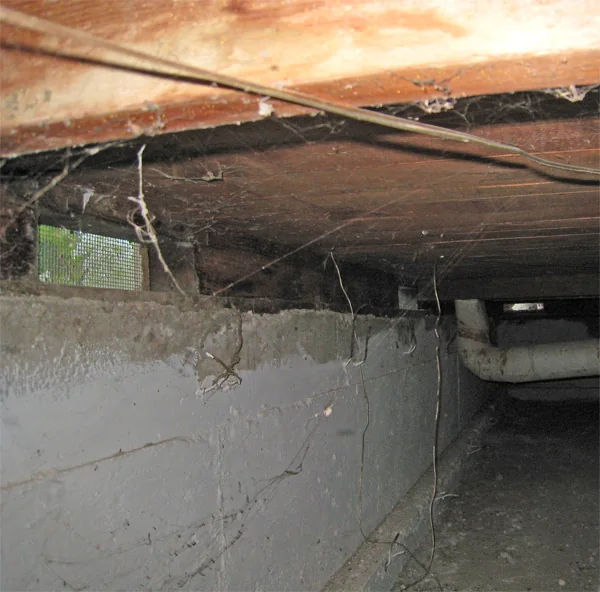
Using equipment designed for confined spaces, technicians efficiently pull standing water from the crawlspace. They also identify any saturated insulation and note damage to the vapor barrier for later replacement.
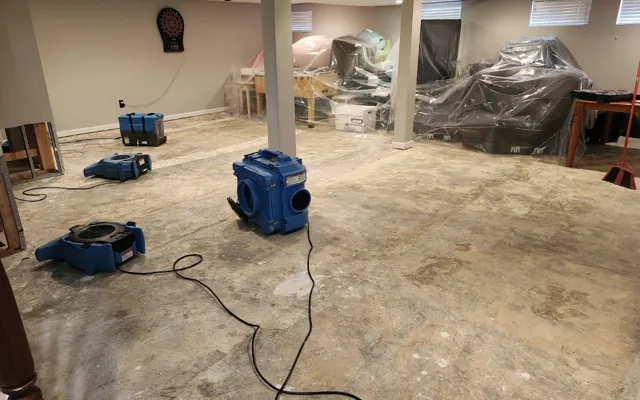
Industrial air movers and dehumidifiers are placed to ventilate and dry the space. The job concludes only after moisture meters confirm the structural wood is dry and stable.

Crawlspace water removal in Capitol Hill typically runs from about $700 to $3,500, depending on how much standing water is present, how much insulation needs replacing, and how accessible the crawlspace is. A shallow, easily accessed crawlspace with minor water sits toward the low end; a larger space with saturated insulation and limited access sits toward the high end. Sudden water intrusion from a burst line is commonly covered, while chronic groundwater seepage depends on the specific policy, and moisture documentation is provided either way to support the claim.
In Capitol Hill, CO, many of the early-1900s brick homes and courtyard apartments have full basements and crawlspaces. Original galvanized plumbing and aging flat roofs are common, making sudden water intrusion from a burst line a regular occurrence that demands immediate, professional attention to prevent structural damage. Original plumbing from the early 1900s, combined with Denver's high-altitude freeze-thaw cycles, puts pressure on old pipes. This, alongside aging roofs on the apartment stock, makes pipe bursts and leaks a routine cause of crawlspace flooding in Capitol Hill. From Capitol Hill, crews also cover nearby Five Points, Cheesman Park, City Park West, Curtis Park, Speer, Congress Park. See every neighborhood and town on the full service area page.
See all areas servedEvery loss is photographed, measured, and logged from the first visit, so the paperwork holds up with the insurance carrier.
Technicians follow recognized IICRC drying standards and prove it with daily moisture readings on Capitol Hill homes, not guesswork.
Emergency dispatch any hour of the day or night, with a real crew on the way across the metro, not a callback in the morning.
A real crew dispatched any hour, not a callback in the morning.
Trained technicians following recognized IICRC drying standards.
Truck-mounted, portable, and submersible for any size loss.
The loss is documented and billed to the carrier directly.
Costs in Denver typically range from about $700 to $3,500. For a Capitol Hill home, the final price depends on the amount of standing water, how much insulation needs replacing, and the specific access challenges of the older crawlspace.
Sudden water intrusion from a burst pipe is commonly covered. For chronic seepage, coverage depends on the specific policy. Local crews provide thorough moisture documentation either way to support the claim process for homeowners in Capitol Hill, CO.
Crews are on call 24 hours a day and can be on the way to Capitol Hill within the hour.
Call (720) 807-8315